Introduction

You want less shine, tighter-looking pores, and fewer surprise breakouts—without burning a hole in your wallet. Fair enough. In Malaysia’s heat and humidity, oily skin can feel leceh, but with the right toner, you can calm sebum, keep pores clear, and support a routine that actually sticks. This expert overview gives you practical steps, updated 2025 picks, and an affordability lens so you get real results, not just hype. If you’re comparing options right now and want one place to start, here’s your quick entry point on the recommended toner for oily skin that balances performance and value.
Toner 101: What Are Toners, and Why Use Them?
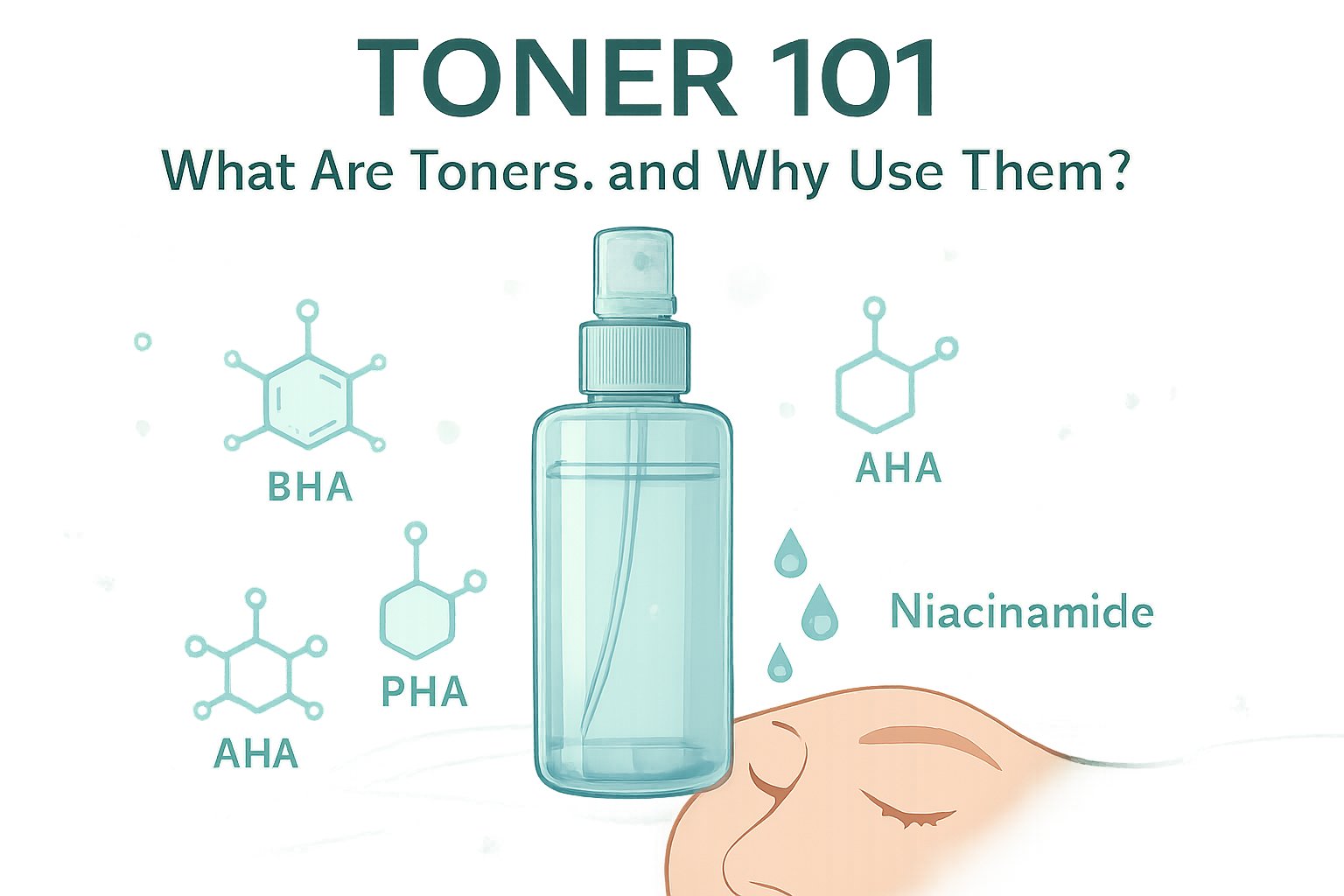
Toners are liquid leave-on formulas applied after cleansing to re-balance skin, provide early hydration, and deliver actives such as BHA, PHA, AHA, and niacinamide. Modern toners are gentler and smarter than the old-school astringents; think skin-conditioning waters that prep your face for the rest of your routine. Used well, they make your serums and moisturizers work harder and help you stay consistent, day in and day out. Incorporating a recommended toner for oily skin into your daily regimen can significantly enhance overall skin clarity and control excess shine effectively.
What does a face toner do?
In simple terms, a toner resets your skin’s comfort zone after cleansing and lays down a thin film of hydration plus targeted ingredients. It can refine texture, sweep away residual debris, and enhance penetration of the next steps in your routine. Many new-gen toners also soothe, which means fewer reactive flare-ups when you layer active treatments. This process not only prepares the skin for better absorption of subsequent products but also helps in maintaining a balanced pH level, which is crucial for preventing issues like irritation or excessive oiliness.
Benefits for oily skin: decreasing sebum and reducing pore appearance
For oily skin, the right toner helps regulate the look of oil by gently dissolving pore-clogging buildup and keeping the follicle clear. Over time, this translates into fewer blackheads and less morning shine, so your makeup stays on longer and your skin looks more refined. With consistent use, pores can appear smaller because there’s less congestion stretching them out—syok when you finally see that smoother look in the mirror. Additionally, these toners often include ingredients that mattify the skin without causing dryness, ensuring a comfortable feel throughout the day in humid climates like Malaysia.
What Causes Oily Skin?
Oily skin is not just about sweat or humidity; it’s a built-in tendency of your sebaceous glands, amplified by hormones and lifestyle. Understanding what drives your oiliness helps you choose actives that correct, not over-strip. The key is to reduce triggers and support a steady rhythm for your skin barrier. Exploring the root causes can guide you toward the most effective recommended toner for oily skin tailored to your specific needs.
Genetic factors and hormonal influences
Genetics set your baseline—if your parents have oily or acne-prone skin, chances are high you inherited that oil factory. Hormonal shifts, especially androgens, can push sebaceous glands into overdrive, which is why oiliness often spikes in the teen years and around monthly cycles. Even in adulthood, stress hormones can nudge oil up, so watching lifestyle stressors is as important as picking the right toner. Managing these influences through targeted skincare can help mitigate excessive sebum production over time.
Environmental and lifestyle contributors
Malaysia’s heat and humidity mean your skin is constantly negotiating sweat, sunscreen, and pollution particles, all of which can sit on the surface and clog pores. Over-cleansing or using harsh scrubs can backfire by stripping too much, causing rebound oil—makan minyak even more, lah. Diets high in ultra-processed carbs, plus inconsistent sleep, may also influence breakouts, so a holistic approach wins. Incorporating stress-reduction techniques and a balanced diet can complement the use of an oily skin toner for better overall results.
How Do Toners Help Oily Skin?
Think of toners as your daily maintenance crew: they keep the surface smooth, pores clear, and skin soft so oil production doesn’t spiral. The goal is to balance rather than bully your skin—smart actives, gentle delivery, and consistency. That’s how you win the long game against shine. A well-chosen recommended toner for oily skin can transform your routine by addressing these concerns seamlessly.
Balancing oil production and refining pores
Toners with niacinamide and gentle acids target the look of excess oil while supporting the barrier, so your skin feels calm rather than tight. With pores, it’s not about permanently shrinking them but minimizing trapped debris so they look more refined. The right toner keeps your T-zone in check by preventing the cycle of buildup and inflammation that exaggerates pore size. Over consistent use, you may notice a more even complexion and reduced visibility of pores, enhancing your skin’s natural appearance.
Exfoliating and clarifying the skin
Chemical exfoliants like BHA (salicylic acid) dissolve oil inside the pore, which is exactly where congestion starts. PHA offers surface-level smoothing that’s kinder to sensitive types, while AHA brightens and softens rough patches. By clearing away dead cells steadily, toner helps serums penetrate better and reduces the chance of new comedones forming. This gentle exfoliation promotes a clearer, more radiant skin tone without the harshness of physical scrubs.
How to Choose a Toner for Oily Skin
Picking a toner is part ingredient detective work, part skin feel, and part budget. You want a formula that manages oil without stinging, fits your routine rhythm, and doesn’t cause mid-day greasiness. Bonus points if it plays well with sunscreen and makeup and doesn’t require complicated layering. Focusing on these aspects ensures you select the best oily skin toner for your lifestyle in Malaysia.
Look for key ingredients like BHA, AHA, and niacinamide
For oily and congested skin, BHA (1–2% salicylic acid) is the MVP because it’s oil-soluble and can penetrate into the pore lining. If you want gentler daily smoothing, PHA (like gluconolactone) is kinder and pairs well with sensitive or dehydrated oily skin. Niacinamide (2–5%) helps regulate the look of sebum and strengthens barrier function, while soothing agents like panthenol, centella, or allantoin reduce reactivity. Combining these ingredients can provide comprehensive care, addressing both oil control and skin soothing in one product.
Consider skin type variations and sensitivities
Not all oily skin is the same—some of you are oily-dehydrated, others are oily-sensitive, and some are oily-resilient. If you sting easily, avoid high-alcohol or heavily fragranced toners and consider PHA or low-dose BHA. If your skin is resilient and acne-prone, controlled-strength BHA or combo acids can be efficient, but always patch test and adjust frequency to avoid over-exfoliation. Understanding your specific skin type helps in selecting a toner that enhances rather than irritates your complexion.
8 Recommended Toners for Oily Skin
Below are eight worth-trying options updated for 2025, balancing performance with affordability in RM. There’s a mix of classic BHA workhorses and gentler PHA or hydrating choices for oily-dehydrated skin. Prices vary by retailer and promo; use shopping apps’ price alerts to catch drops and bundle deals. These selections highlight the best toner Malaysia has to offer for controlling shine and refining pores.
| Toner | Key actives | Texture | Fragrance | Approx RM | Best for |
|---|---|---|---|---|---|
| Paula’s Choice Skin Perfecting 2% BHA Liquid Exfoliant | 2% salicylic acid | Watery | Fragrance-free | RM130–170 | Blackheads, enlarged pores |
| Glow Recipe Watermelon Glow PHA + BHA Pore-Tight Toner | PHA + BHA, cactus water | Gel-water | Light fragrance | RM140–170 | Oily-combo, dehydrated |
| Pixi Beauty Clarity Tonic | Salicylic + glycolic + lactic | Watery | Light fragrance | RM70–95 | Budget-friendly clarifying |
| Thayers Hydrating Milky Face Toner | Hyaluronic, snow mushroom | Milky | Fragrance-free | RM45–65 | Oily but dehydrated/sensitive |
| Clinique Clarifying Lotion | Exfoliating agents incl. salicylates | Watery | Varies by formula | RM110–150 | Simple, consistent routine |
| Tirtir Milk Skin Rice Toner | Niacinamide, rice extract | Milky | Fragrance-free | RM65–85 | Oil control with glow |
| Peter Thomas Roth Goodbye Acne Max Complexion Correction Pads | 2% salicylic + glycolic complex | Pre-soaked pads | Alcohol presence | RM200–240 | Resilient oily/acne-prone |
| Biodance Skin Refining Mild PHA Toner (8% PHA) | 8% PHA (gluconolactone) | Watery | Fragrance-free | RM90–120 | Sensitive, gentle exfoliation |
Paula’s Choice Skin Perfecting 2% BHA Liquid Exfoliant
This is the gold standard for oily, congested skin because 2% salicylic acid reaches into pores to loosen compacted sebum. You’ll notice smoother texture within weeks and fewer stubborn blackheads over time. If you’re easily irritated, start two to three times a week at night, then build up—no need to rush, slow and steady kaw tim. Its fragrance-free formula makes it suitable for a wide range of users seeking an effective BHA toner without added irritants.
Glow Recipe Watermelon Glow PHA + BHA Pore-Tight Toner
With PHA for surface smoothing and a gentle dose of BHA, this suits oily-combination skin that also feels dehydrated. The gel-water texture layers well under sunscreen and makeup without pilling. There’s a light watermelon scent; if you’re fragrance-sensitive, patch test on the jawline first. This toner also incorporates hydrating elements like cactus water, making it ideal for maintaining moisture balance in humid environments.
Pixi Beauty Clarity Tonic
A budget-friendly clarifier that pairs a small amount of salicylic with glycolic and lactic acids for multi-level exfoliation. It’s a nice weekday workhorse if you want a mild daily sweep without the sting of stronger peels. If your cheeks are reactive, apply mainly to the T-zone and avoid the corners of the nose and lips. Overall, it’s an accessible entry into affordable toner options for those new to skincare routines.
Thayers Hydrating Milky Face Toner
Oily-dehydrated skin is common in our climate, and this milky toner hydrates without heaviness. Snow mushroom and hyaluronic acid pull in water, helping to reduce that tight-but-greasy contradiction you might feel after washing. It’s fragrance-free and gentle, a good partner to stronger actives on alternate days. This makes it a versatile choice for layering in a comprehensive skincare regimen.
Clinique Clarifying Lotion
Clinique’s classic exfoliating toner comes in strengths; choose a version suited to oily or combination types. Some formulas contain alcohol denat., which can be too brisk for sensitive skin, so do check your label and skin feel. When used appropriately, it keeps daily texture in line and works well for those who prefer a minimal routine. Its long-standing reputation ensures reliability for consistent oil control.
Tirtir Milk Skin Rice Toner
This K-beauty favorite leans hydrating and brightening with niacinamide and rice extract while still keeping oil in check. The milky texture is lightweight, adds a soft glow, and plays nicely with gel moisturizers. If your T-zone shines but your cheeks feel parched, this is a balanced middle ground. It’s particularly popular for achieving a dewy yet mattified finish.
Peter Thomas Roth Goodbye Acne Max Complexion Correction Pads
Pre-soaked pads are convenient if you want no-fuss exfoliation, plus the combo of salicylic and glycolic is potent. They do contain alcohol denat., so best for resilient, very oily, or acne-prone skin that can tolerate stronger formulas. Use at night, two to three times a week, and avoid stacking with other acids or retinoids on the same evening. This format is great for travel or quick applications in busy schedules.
Biodance Skin Refining Mild PHA Toner with 8% PHA for Gentle Exfoliation
PHA is a larger-molecule acid that exfoliates the surface gently while attracting moisture, ideal if you’re sensitive. At 8% gluconolactone, it’s effective for smoothness without the sting many get from AHAs. Pair it with niacinamide serum to double down on clarity and barrier support. This toner stands out for its mild approach, making it suitable for beginners or those with reactive skin types.
How to Apply Toner on the Face
Application matters as much as the formula. You want even coverage, minimal waste, and a rhythm that keeps your barrier happy. If your skin is reactive, consider the “buffering” technique—apply hydrating toner first, then your exfoliating toner on top. Mastering proper application can maximize the benefits of your recommended toner for oily skin.
Step-by-step application guide
Cleanse with a gentle, low-pH cleanser and pat dry until skin is slightly damp, not dripping. Apply your toner with clean hands by pressing across the T-zone and cheeks, or use a cotton pad if you need a light sweep to lift residue. Wait 1–2 minutes before layering your serum and a lightweight moisturizer so the actives have a chance to settle. For morning routines, opt for a hydrating or balancing toner and reserve stronger exfoliants for evenings to minimize sun sensitivity; in the evenings, use BHA or PHA toners after cleansing while keeping other actives simple. Start with applications two to three nights weekly and increase as your skin builds tolerance, always wearing sunscreen during the day since acids can increase sun sensitivity. If cheeks are sensitive, spot-apply stronger toners just on the nose and chin, and pause during any irritation before restarting at a lower frequency.
Tips for best results
Avoid stacking too many exfoliants—if your toner is active, keep the rest of the routine basic and soothing. Use shopping apps’ price alerts and routine trackers to stay consistent; reminders make it easier to keep habits on point. Finally, listen to your skin: a slight tingle can be normal, but burning or persistent redness means it’s time to back off. Incorporating these practices ensures long-term success with your oily skin toner.
Your Face Toner Questions Answered
These are the quick expert takes you ask most often. Use them to fine-tune your routine without second-guessing every step. If in doubt, patch test and go slow—progress over perfection, lah. This section addresses common queries to help you choose and use the best toner Malaysia options effectively.
How often should you use a facial toner?
Hydrating or balancing toners can be used twice daily, especially in our humid climate where light layers work better than heavy creams. Exfoliating toners (BHA, AHA, PHA) are best started at two to three nights per week, then adjusted based on tolerance and results. If you notice redness or flaking, cut frequency in half and add more barrier support. Consistent use at the right frequency can lead to noticeable improvements in skin texture and oil control.
Should you use a face toner if you have dry skin?
Yes—just choose a hydrating or milky toner with humectants and soothing agents rather than strong acids. Dry or dehydrated skin often benefits from thin watery layers that absorb fast and reduce the need for heavy occlusives. If you’re dry-acne prone, alternate hydrating toner on most days with a mild PHA once or twice weekly. This approach helps maintain moisture without exacerbating dryness issues.
What is La Roche-Posay’s best toner for sensitive skin?
La Roche-Posay’s formulas tend to emphasize barrier support and thermal spring water, which sensitive skin appreciates. Look for their gentle, alcohol-free options with soothing ingredients like niacinamide or panthenol to calm redness. As always, patch test and keep the rest of your routine minimal during the first two weeks. These toners are designed to minimize irritation while providing effective care.
What is La Roche-Posay’s best toner for acne?
For acne-prone skin that can tolerate actives, a toner featuring salicylic acid or LHA (a lipophilic derivative) helps clear pores effectively. Pair it with a simple non-comedogenic moisturizer and daytime sunscreen to keep progress steady. If you’re on prescription acne meds, confirm with your derm before adding acids to avoid over-exfoliation. This combination supports clearer skin over time.
What is La Roche-Posay’s best toner for oily skin?
Oily skin typically benefits from a formula that combines light exfoliation with sebum-balancing support. Seek out options that are alcohol-free or low in drying solvents, include niacinamide, and provide a non-sticky finish that layers well under sunscreen. Start three nights a week and monitor shine and texture after two to four weeks. Such toners help manage oil without compromising the skin barrier.
FAQs
Can toner actually shrink pores?
Pores don’t permanently shrink, but they can look smaller when the lining is clear and inflammation is under control. BHA dissolves oil within the pore while niacinamide supports the surrounding skin so it appears tighter. Over a few weeks, this combination makes pores look more refined even if their actual size doesn’t change. Regular use enhances this effect for a smoother appearance.
Is alcohol-free toner better for oily skin?
Many oily skins prefer alcohol-free toners because they minimize the risk of stinging and rebound oil production. Small amounts of solvents can help certain actives penetrate, but high-alcohol formulas may disrupt the barrier for sensitive users. If you’re unsure, start alcohol-free and let results guide your next move. This choice often leads to better long-term skin health.
Can you use toner with retinol or tretinoin?
Yes, but space them out and keep it gentle to avoid irritation. Use a hydrating toner before retinoids, or alternate nights if your toner is exfoliating. If any burning or peeling appears, dial back frequency and add a bland moisturizer as a buffer. This strategy allows for safe incorporation into your routine.
How long until a toner shows results?
Most people notice smoother texture and less morning shine in two to four weeks with consistent use. Deeper congestion and post-acne marks can take six to eight weeks or longer to visibly improve. Keep photos and use a routine-tracking app to see small gains that are easy to miss day to day. Patience and consistency are key to achieving optimal outcomes.
About the Author