
Introduction
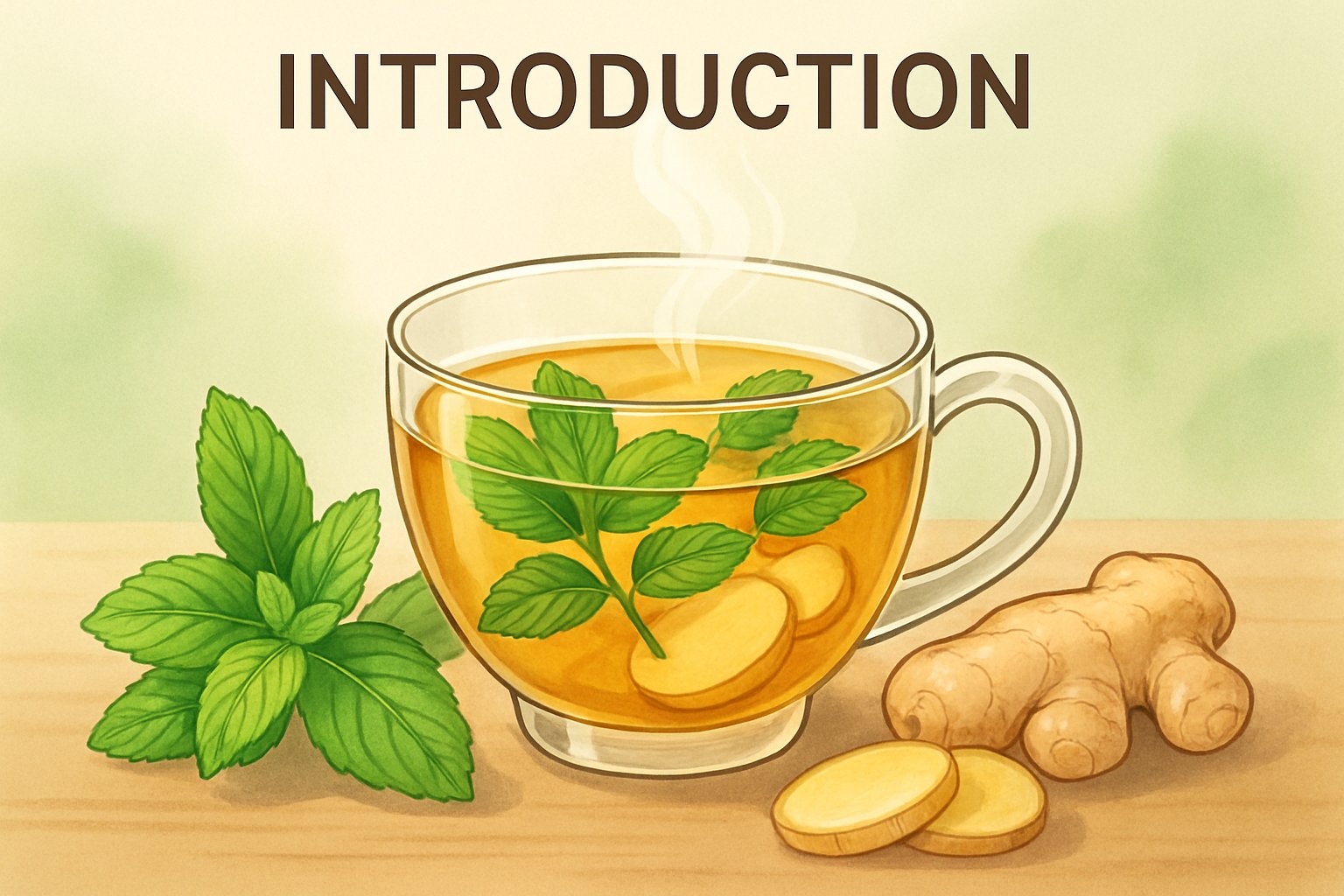
Peppermint and ginger tea is a simple, soothing blend I reach for when I want something that tastes clean, calms the tummy, and clears the head—senang and versatile. In today’s 2025 wellness scene, this combo still holds up because it’s easy to customize, budget-friendly in Malaysia, and gentle enough for daily sipping. Whether you’re trying to settle mild bloating after a mamak supper or looking for a caffeine-free afternoon reset, this tea gets it done without fuss.
If you’re new to the blend and want a step by step refresher before brewing, start with my quick guide to peppermint and ginger tea. I’ll share what to buy, how to brew on a busy day, and small tweaks so you can dial in your perfect cup. I keep the instructions mobile-first too, so it’s easy to follow on your phone while you steep.
Health Benefits
While it’s not a replacement for medical care, I find this pairing offers a few gentle, everyday benefits. Both herbs have a long tradition in home kitchens across Malaysia, and modern research generally supports their digestive, anti-inflammatory, and soothing properties. Below I break down what I notice most and how to make the tea work harder for your needs.
Digestive Aid and Soothing Effects
Ginger is well known for easing nausea and mild indigestion, especially after heavier or oily meals. Peppermint offers a cooling sensation that can relax the gut’s smooth muscles, which may reduce gas and that “tight” feeling. Together, they create a warm-cool balance—ginger boosts circulation and warmth while peppermint soothes—that I find comforting when my stomach feels off.
If you’re bloated, a slightly stronger ginger slice can help, but go easy if you’re sensitive to spice, ya. For those who get occasional reflux, keep the peppermint gentler or brew it shorter, because very strong peppermint can sometimes aggravate symptoms. As always, tune your cup to your body; small tweaks make a big difference. Many people report feeling more at ease after incorporating this tea into their routine, making it a go-to for post-meal comfort.
Liver Support and Detoxification
Ginger contains compounds like gingerols that may support antioxidant activity, indirectly easing the body’s daily “clean-up” load. Peppermint has also been studied for its potential to assist bile flow, which helps with fat digestion and routine detox processes. I don’t treat this tea as a detox hack, but as a steady, supportive beverage that complements balanced meals.
If you’re feeling sluggish after festive eating, I brew a lighter cup throughout the day rather than one super-strong mug. Add a squeeze of lemon or a sprig of pandan for aroma if you like; both feel fresh and can encourage mindful sipping. Keeping it gentle and consistent beats extreme cleanses, lah. Overall, this blend can be a subtle ally in maintaining overall wellness without overwhelming your system.
Immune Boost and Anti-Inflammatory Properties
Ginger’s warming quality can feel comforting when you’re under the weather, and peppermint’s menthol offers that cooling, airy sensation that can open the nose a bit. While this tea isn’t a cure, the combination may support general wellness during the rainy season when coughs and colds go around. I also find that staying hydrated with a tasty herbal tea keeps me more compliant than just plain water.
When I’m run-down, I’ll add honey for throat comfort and brew slightly longer for a deeper flavor. If you’re sensitive to strong menthol, reduce the peppermint and let ginger lead. It’s all about your tolerance and what feels syok to drink. Regular consumption might help in building a habit of hydration that indirectly supports your immune system during challenging weather.
Ingredients
Shopping for this tea is straightforward, and you can mix fresh and pantry items based on what’s available. In Malaysia, fresh ginger is easy to find at wet markets and supermarkets; peppermint may be sold fresh, dried, or as tea bags. I keep both forms on hand so I can brew quickly on busy mornings.
Essential Ingredients for Peppermint Ginger Tea
For a simple, flexible base that serves one standard mug of about 250 to 300 ml, start with fresh ginger in 3 to 5 thin slices, weighing around 5 to 8 grams, which provides warmth, zing, and aids mild nausea. You can swap this for half a teaspoon of grated ginger or a quarter teaspoon of dried ginger if fresh isn’t available. Next, include 1 to 2 teaspoons of dried peppermint or one tea bag for that cooling relief and fresh aroma, with alternatives like 6 to 8 fresh leaves or spearmint for a milder menthol experience.
Hot water is essential, using 250 to 300 ml just off the boil to ensure proper extraction without bitterness, and you might consider a thermal flask for on-the-go steeping. Add an optional sweetener to taste, such as honey, gula Melaka syrup, or stevia, to soften the spice and menthol. For a brighter flavor, incorporate 1 to 2 teaspoons of lemon or lime juice, or even calamansi or a thin orange slice for a fresh finish.
For a low-FODMAP or gentler profile, keep ginger at 3 slices and brew peppermint shorter. If you want a spa-like aroma, a short strip of lemongrass or pandan leaf pairs nicely without overpowering. Costs are modest—usually under RM2 per serving with fresh ginger and dried peppermint, depending on your source. This combination allows for easy customization to suit various preferences and dietary needs.
Directions
I keep the method as step by step as possible so you can follow on mobile with one hand while the kettle boils. The key is controlling steep time: let ginger go a bit longer for warmth, and keep peppermint moderate to avoid overpowering menthol. Here’s the approach I use on busy weekdays.
Step-by-Step Method to Brew the Tea
Begin by boiling water and then letting it sit for 30 to 60 seconds off the heat so it’s hot but not aggressively boiling, which helps in extracting flavors gently. Next, add the ginger slices to your mug or pot and pour in the hot water, allowing it to steep for 4 to 6 minutes depending on how spicy you prefer it. After that, incorporate the peppermint, whether dried, fresh, or in a tea bag, and steep for another 3 to 4 minutes, tasting at the 3-minute mark to stop sooner if it becomes too minty.
Once steeped, strain or remove the tea bag, leaves, and ginger, then sweeten to taste and add citrus if desired for an extra layer of flavor. For an iced version, brew it at double strength and pour over a tall glass filled with ice, stirring and adjusting sweetness as needed. If preparing in a travel flask, add the ginger and peppermint directly, fill with hot water, and sip after 7 to 8 minutes, being careful not to let it sit too long to avoid an overly strong brew.
If you’re batching for the day, keep it unsweetened until serving to prevent flavor drift. For a night-time cup, go lighter on ginger and skip citrus for a softer finish. As always, customize to your mood and the weather—rainy evening or hot afternoon, boleh adjust easily. This method ensures a consistent and enjoyable cup every time you brew.
Frequently Asked Questions
New to the blend? These common questions cover ingredients, timing, and suitability. I stick to simple, practical answers you can use immediately, and I’ll flag cases where it’s better to check with your healthcare provider. Keep in mind individual responses vary—go slow and listen to your body.
Can I use dried peppermint or tea bags instead of fresh?
Yes. Dried peppermint or a tea bag is convenient and consistent, especially if fresh leaves are hard to find. Start with 1–2 teaspoons dried or one tea bag for a cup, then adjust. Fresh leaves give a softer, greener aroma, while dried can taste bolder and slightly more minty. This option is perfect for those who want a quick setup without sourcing fresh herbs.
Is peppermint and ginger tea safe during pregnancy?
Ginger is often used in small amounts for nausea, but always check with your doctor or midwife first, especially in early pregnancy. Peppermint is generally considered mild, yet strong concentrations may not suit everyone. Keep servings moderate and avoid medicinal-strength brews unless advised. Consulting a professional ensures it’s tailored to your specific health needs during this time.
What’s the best time to drink this tea?
I like it after meals to support digestion or mid-afternoon as a caffeine-free pick-me-up. If peppermint makes you feel too cool at night, dial it down and let ginger lead. Before workouts or travel, a small cup can feel steadying and hydrating. Timing it right can enhance its benefits throughout your day.
Can I drink it cold, like a fridge brew?
Yes, and it’s refreshing in Malaysian heat. Brew hot at double strength, cool, then chill in the fridge for up to 24 hours. Add ice, a slice of lime, or a touch of gula Melaka syrup before serving for a kopitiam-style vibe. This cold version is ideal for hot days when you need something revitalizing.
Common Queries About Preparation and Benefits
Most questions I receive revolve around strength and balance: people want warmth without a “peppermint burn.” My rule is simple—steep ginger first, then add peppermint later, and taste early. If you’re sensitive, start light for a week and increase slowly until you reach your comfortable daily cup. This approach helps beginners avoid common pitfalls and enjoy the tea more fully.
User Reviews
Here’s a snapshot of how others describe their experience after trying this method at home. These insights can help you see how versatile the tea is in real-life scenarios. Reading through them might inspire your own customizations.
What Others Are Saying
“Great after nasi lemak—calms the stomach without feeling heavy.” This reviewer highlights how effective it is for post-meal relief, which aligns with its digestive benefits. “Iced version is my go-to; I brew stronger and add lime for a bright finish.” Many appreciate the refreshing twist for warmer climates.
“I reduced peppermint at night and slept better—gentle but effective.” Adjusting the ratios can make it suitable for evening relaxation. Overall, users find it adaptable and beneficial for daily use. These reviews show the tea’s popularity across different preferences and situations.
Submitted By
I compile and test these steps in a small home kitchen, focusing on local availability and daily routines. This ensures the guide is practical and relatable for everyday users. Sharing from personal experience adds authenticity to the recommendations.
Recipe Contributor Information
I’m a Malaysia-based home cook who likes practical, customizable herbal blends. My approach is to keep instructions clear for mobile readers and flexible for different taste buds. If a step feels fussy, I trim it; brewing should be easy enough for weekday evenings. This philosophy makes the recipes accessible to beginners and busy individuals alike.
You’ll Also Love
If you enjoy warm-cool balance and customizable flavors, these ideas pair well with today’s tea. Exploring similar options can expand your herbal tea repertoire. They offer variety while maintaining simplicity.
Similar Tea Recipes
Ginger–lemongrass tea offers brighter citrus notes with a soft herbal base—great for rainy nights. This combination provides a fresh twist on the warming effects of ginger. Peppermint–pandan tea leans fragrant and calming if you want a lower-spice option.
For a zesty twist, try lime–ginger tea with a light drizzle of honey, chilled over ice. These recipes are easy to prepare and use readily available ingredients. They can be customized just like the peppermint and ginger tea for personal taste.
Related Pages
Keen to learn more about everyday herbal sips you can brew at home? Explore other gentle blends and simple kitchen remedies. These resources provide additional ideas for natural wellness.
More Herbal Remedies
Chamomile with a slice of orange peel is soothing for winding down after a long day. This blend promotes relaxation and a gentle flavor profile. Turmeric with ginger and a pinch of black pepper provides a warming, golden cup many enjoy in the evenings.
Lemongrass with pandan makes a fragrant daily drink that’s both refreshing and familiar. These remedies are simple to make and incorporate into your routine. They complement the benefits of peppermint and ginger tea nicely.
Find More Recipes
Prefer short, practical guides you can follow on your phone? I keep methods concise and ingredients easy to find locally. This makes it simple to try new ideas without hassle.
Explore Additional Options
Look out for iced variations built for Malaysia’s heat, plus low-sugar tweaks that still taste satisfying. I also share small add-ins—like calamansi or cinnamon—that change the vibe without complicating the method. If you’re curious, come back to learn more and level up your daily cup, one simple tweak at a time. These options ensure there’s always something new to discover in herbal teas.
About the Author