
Introduction
If you’re eyeing a physiotherapy course in Malaysia, you’re probably weighing the big questions: diploma or degree, how much, where to study, and whether the career is worth it in 2025’s job market. This friendly review-style guide breaks down the choices, highlights safety-first training, and explains the tech you’ll actually use—from simulation labs to digital logbooks. For a quick starting point, check out this helpful overview of a physiotherapy course in malaysia and use this review as your decision compass. As Malaysia continues to invest in healthcare education, pursuing a physiotherapy course here offers not only solid foundational skills but also exposure to diverse patient populations and emerging technologies that enhance patient care outcomes.
Diploma Courses in Malaysia
Diploma programs are your entry ramp into the field if you want to start practicing sooner and build experience on the ground. They tend to be more hands-on from day one, with structured safety training, supervised lab hours, and earlier clinical placements. If you’re aiming to earn while you learn later on (and perhaps upskill to a degree), the diploma route offers a practical, cost-conscious approach that still emphasizes safe patient handling and real-world competencies. Many students find that these programs align well with Malaysia’s growing demand for allied health professionals, providing a quicker path to contributing meaningfully in clinical settings.
Qualifications and Entry Requirements
Most diploma providers typically require SPM or O-Level with several credits, commonly including English and a science or mathematics subject. As a baseline, you should have a solid interest in biology and health, plus the physical readiness for patient handling and therapeutic exercise. Do note that each university sets its own cut-offs and additional requirements (such as medical checks or immunizations for clinical placements), so always verify the latest criteria before applying. Because clinical placements place you in real healthcare environments, you’ll be screened for fitness to practice, including vaccinations and basic life support competency. Some institutions also run admissions interviews or short assessments to understand your motivation and communication skills. If English isn’t your first language, you may be asked to demonstrate competency via MUET, IELTS, or equivalent. Preparing these qualifications in advance can streamline your application process and increase your chances of securing a spot in a competitive program.
Core Subjects and Curriculum
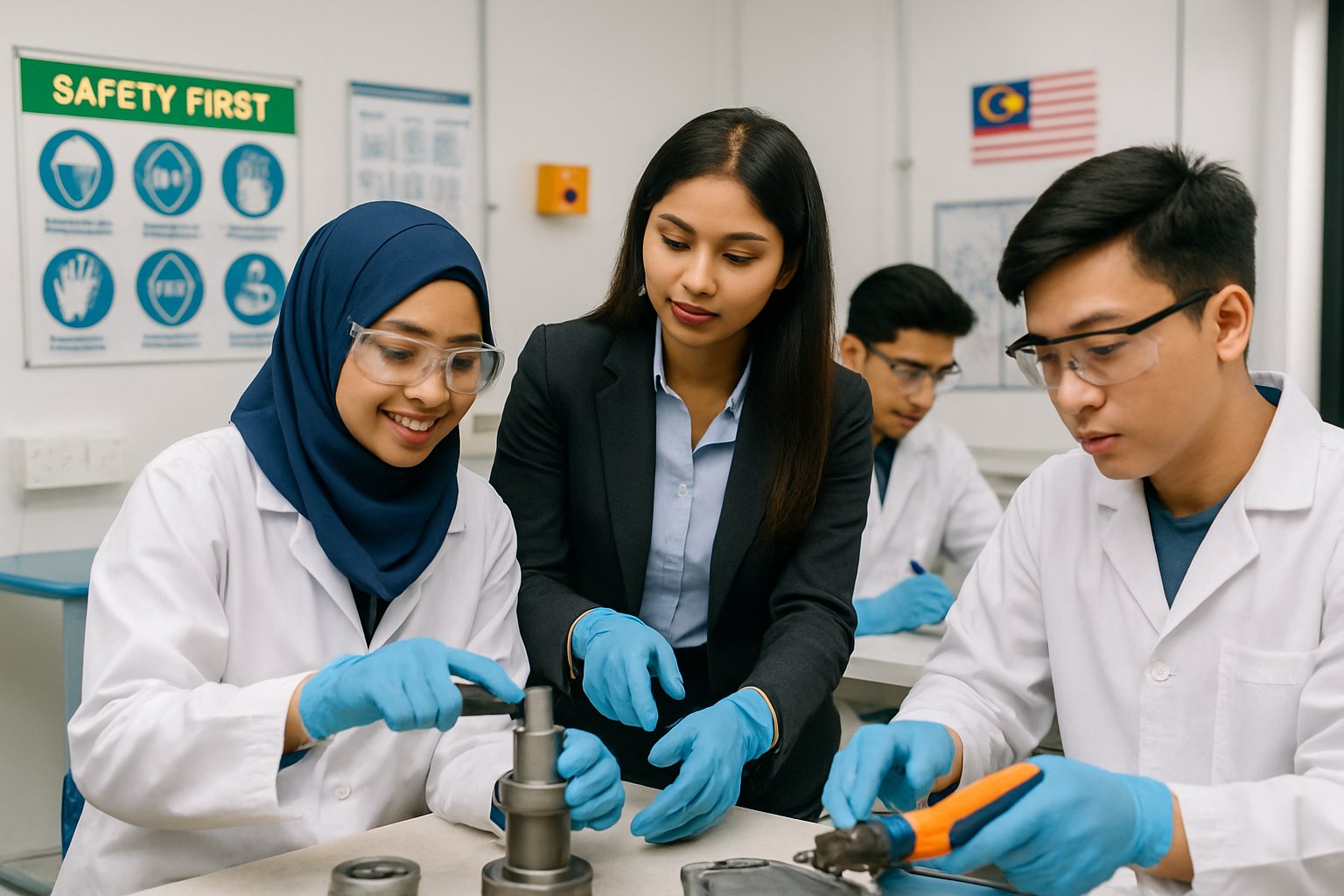
Diploma curricula generally cover anatomy, physiology, kinesiology, and pathology, followed by the core pillars of musculoskeletal, neurological, and cardiopulmonary physiotherapy. You’ll learn therapeutic exercise, electrotherapy, manual therapy, and movement analysis with a big focus on safe practice—think infection control, correct manual handling, and documentation standards. Many programs now integrate learning management systems, clinical logbook apps, and simple tele-rehab tools so you can track cases, outcomes, and reflections responsibly. Expect skills labs with simulation mannequins, gait analysis gear, and basic pressure biofeedback devices to help you practice safely before meeting real patients. Assessment usually combines OSCEs (Objective Structured Clinical Examinations), practical check-offs, and written exams. A structured clinical placement—often starting as supervised observation and progressing to assisted treatment—is mandatory to make you clinic-ready. This comprehensive approach ensures that graduates are not only knowledgeable but also confident in applying their skills in diverse Malaysian healthcare contexts.
Management and Science University (MSU)
MSU’s healthcare ecosystem is known for industry engagement, giving you exposure to hospital partners and community programs. For diploma learners, that means early contact with clinical standards and a culture that takes safety and ethics seriously. Labs are typically well-equipped for foundational skills practice, and the use of digital learning platforms makes revision and case tracking senang (convenient) for busy students. Student support—academic advising, peer mentoring, and career guidance—helps you plan your upgrade path if you want to continue into a degree. If you’re the type who learns best through doing, you’ll appreciate the steady stream of practical assessments and feedback. As always, check the latest intakes and clinical placement networks directly with the university. MSU’s focus on real-world application helps bridge the gap between theory and practice, making it an excellent choice for aspiring physiotherapists in Malaysia.
UOW Malaysia | University of Wollongong Malaysia | Glenmarie Campus, Shah Alam
UOW Malaysia’s health sciences programs emphasize evidence-based practice and employability. In the physiotherapy track, you can expect structured labs, systematic OSCEs, and exposure to research literacy even at diploma level. Students often highlight the organized use of learning apps—timetabling, announcements, and assessment rubrics—so you always know what’s coming next, no drama. As part of a global education network, UOW Malaysia brings a tidy quality framework to curriculum design and safety. That means consistent emphasis on infection control, accurate documentation, and patient privacy from the start. If you’re serious about building good habits early, the program’s steady, guided approach is a plus. The campus location in Shah Alam provides convenient access to urban amenities while fostering a focused learning environment for physiotherapy students.
MAHSA University
MAHSA has a long-running health sciences focus, and that experience shows in the way labs and clinical placements are organized. You’ll get repetitive practice with core competencies—therapeutic exercise, electrotherapy setups, and safe transfers—before you step into the ward. MAHSA’s digital learning environment supports lecture capture, quiz banks, and practical prep materials, helping you study smarter. Students commonly note access to a wide network of clinical sites, which means more varied cases and better confidence when you graduate. The teaching style mixes case discussions with hands-on drills, which is great if you like seeing how theory applies to actual patients. Budget-wise, diploma fees tend to be more manageable than degrees, and installment plans are commonly available. Overall, MAHSA’s program prepares students effectively for the demands of physiotherapy careers in Malaysia’s dynamic healthcare sector.
AIMST University
AIMST’s physiotherapy offering is known for its balanced curriculum and supportive campus culture. Expect a friendly environment where lecturers know your name and nudge you to keep safety front and center. The practical sessions are paced carefully, so you build from basic handling to more complex interventions without rushing. Beyond the classroom, AIMST encourages early research curiosity and interprofessional exposure, so you understand where physiotherapy fits in the broader healthcare team. The campus typically offers the digital tools you need—online notes, timetables, and feedback channels—making it easier to juggle study and life. This holistic approach not only builds technical skills but also fosters personal growth essential for long-term success in physiotherapy.
Universiti Kuala Lumpur (UniKL)
UniKL’s applied learning DNA suits a diploma student who wants tangible skills, fast. The physiotherapy pathway emphasizes structured lab competencies and supervised placements where safety protocols are drilled until they become second nature. You’ll document your progress with electronic logbooks, which not only keeps you honest but also helps you build a neat evidence trail for future job interviews. UniKL learners benefit from a polytechnic-style emphasis on employability, so expect timely feedback, clear rubrics, and industry-linked projects. The culture rewards punctuality, teamwork, and professional communication—qualities that matter a lot to clinical supervisors. As always, confirm the latest accreditation status and clinical partners for your chosen intake. UniKL’s practical focus makes it ideal for those eager to enter the workforce quickly in Malaysia’s physiotherapy landscape.
Bachelor’s Degree Courses in Malaysia
Degree programs deepen your clinical reasoning and open doors to roles that prefer a higher qualification, including specialized practice or research. You’ll typically complete more clinical hours, tackle more complex cases, and explore leadership, audit, and safety governance. If you’re aiming for long-term growth—think sports performance, neurorehab, community rehab leadership, or digital health—this is the route to consider. With Malaysia’s emphasis on advancing healthcare education, a bachelor’s in physiotherapy equips you with the advanced skills needed to thrive in an evolving job market.
Bachelor of Physiotherapy with Honours
This title is common across Malaysian universities and signals a comprehensive, four-year journey from foundational sciences to advanced clinical reasoning. You can expect deeper modules in musculoskeletal, neurological, and cardiopulmonary physiotherapy, plus electives like women’s health or paediatrics. Safety and ethics are usually threaded through the entire curriculum—from proper use of modalities to safe return-to-sport criteria and patient data protection. Assessment mixes OSCEs, case-based vivas, and reflective journals documented via learning platforms. You’ll also join multi-block clinical placements where you manage real caseloads under supervision. If you want a broad and respected credential, this is a solid, well-recognized choice that aligns with international standards in physiotherapy education.
Bachelor of Science (Honours) in Physiotherapy
While similar to the previous degree, the BSc (Hons) label often emphasizes scientific inquiry and research literacy. You’ll learn to read and critique journal articles, apply evidence to practice, and use outcome measures responsibly. Expect exposure to digital tools like EMR systems, basic data dashboards, and tele-rehab platforms for remote exercise supervision. Because safety and efficacy go hand in hand, you’ll practice using standardized protocols, outcome scales, and escalation pathways. This pathway suits you if you love data-driven decision-making and want to future-proof your skills for a digital-first healthcare landscape. Graduates are attractive to clinics that value quality metrics and audit culture, making it a strategic choice for career advancement in Malaysia.
Bachelor in Physiotherapy (Hons)
This naming variant is offered by several private institutions and remains comparable in scope and graduate outcomes. Expect comprehensive coverage of the physiotherapy lifespan—from acute care to long-term rehabilitation—along with interprofessional education. You’ll learn to collaborate safely with doctors, nurses, and occupational therapists, using shared-care plans and appropriate referrals. Programs often include leadership and entrepreneurship modules, handy if you plan to open a clinic later. You’ll also see increased use of simulation suites, wearable motion sensors, and exercise prescription apps, all reinforcing safe, standardized practice. The accent on practical employability makes this pathway a popular pick for students seeking versatile opportunities in Malaysia’s physiotherapy sector.
Programme Structure and Course Details
Most degrees span four years full-time across eight semesters, with progressive clinical placements that may total around a thousand hours or more, depending on the institution. You’ll move from lab skills to supervised ward practice, then to more independent case management. Throughout, safety checkpoints—OSCEs, skill sign-offs, and on-site supervisor assessments—ensure you only take on what you’re ready for. Across both routes, you’ll use learning management systems, e-logbooks, and basic telehealth features that help you track competencies safely. This digital trail matters—it supports quality audits and makes your transition to the workplace more confident. The structure is designed to build progressive expertise, ensuring graduates are well-prepared for the complexities of modern physiotherapy practice in Malaysia.
Here’s a quick side-by-side snapshot to help you compare study routes:
| Pathway | Typical Duration | Entry Snapshot | Clinical Exposure | Outcome |
|---|---|---|---|---|
| Diploma in Physiotherapy | 2.5–3 years | SPM/O-Level with relevant credits | Early, supervised placements; skills labs | Assistant/Junior roles; pathway to Degree |
| Bachelor’s in Physiotherapy (Hons) | 4 years | STPM/A-Levels/Foundation/Diploma entry | Broader placements; advanced caseloads | Physiotherapist; stronger career mobility |
These comparisons highlight how diploma and degree paths cater to different career timelines while both prioritizing safe, effective training.
Entry Requirements
For degrees, typical pathways include STPM with science subjects, A-Levels, UEC, Matriculation, or a related Diploma with a minimum CGPA set by the institution. Many universities ask for foundational biology, and some specify mathematics or physics; the exact combination varies. English competency is usually demonstrated via MUET or international tests like IELTS or TOEFL. Institutions may also run interviews, fitness-to-practice checks, and immunization requirements. If you’re transferring from a diploma, credit exemptions may apply depending on your transcripts and clinical logbooks. Always confirm the most current criteria with the admissions team for your target intake. Meeting these requirements ensures you’re prepared for the rigorous demands of a bachelor’s program in physiotherapy.
Career Opportunities and Advantages
Physiotherapists work across public and private hospitals, specialist rehab centers, community clinics, sports and fitness settings, and home-based care. You’ll support cases ranging from post-surgery rehab and stroke recovery to sports injuries and chronic pain. In 2025’s landscape, employers value safe, evidence-based practice plus digital fluency—being comfortable with EMR, outcome measures, and remote monitoring tools. With a degree, you typically access a wider set of roles and faster progression, including senior clinician tracks or clinical educator posts. Diploma grads often gain valuable early experience and can upgrade later. Either way, a strong safety culture and reflective practice will make you stand out in Malaysia’s competitive job market.
Career Impact and Progression
After graduating, you can specialize in musculoskeletal, neuro, cardiopulmonary, paediatrics, geriatrics, or women’s health. Some physiotherapists branch into occupational health, ergonomics, and community rehabilitation leadership. If research or teaching calls to you, postgraduate options (Postgrad Diplomas, Masters) can open those doors. Digital health continues to reshape the field. Competency with wearable sensors, remote exercise prescription apps, and secure patient messaging will boost your employability. Keep building a clean portfolio—case logs, outcomes, CPD certificates—so your progression is clear, credible, and safe. This ongoing development is key to sustaining a fulfilling career in physiotherapy within Malaysia.
How to Apply
Shortlist universities based on accreditation status, clinical placement networks, lab facilities, and your budget. Prepare academic transcripts, identity documents, English test results (if needed), and a tidy CV. Many institutions offer online applications with status updates via student portals, which keeps the process transparent and trackable. Once you receive an offer, check orientation dates, medical check requirements, and immunizations early to avoid delays. If you’re aiming for scholarships or fee waivers, apply as soon as applications open—funds can be limited and competitive. Keep copies of everything in a cloud folder; you’ll thank yourself later. Following these steps can make your application journey smoother and more successful.
Tuition Fees and English Competency
As a ballpark, private diploma programs often range from about RM30,000 to RM60,000 for the full course, while bachelor’s degrees can range roughly from RM60,000 to RM120,000+ depending on the university and facilities. Public options, where available, may be more affordable for eligible students. Factor in living costs of around RM1,200–RM2,000 per month depending on city, accommodation, and lifestyle. For English, MUET (often Band 3–4), IELTS (commonly 5.5–6.0), or TOEFL iBT (around 60–80) are typical thresholds—do check each institution’s current requirement. Some universities provide English support classes if you fall slightly short, but it’s best to meet the standard upfront. Strong communication equals safer care, especially when educating patients and families in diverse Malaysian settings.
Frequently Asked Questions
Before you apply, it helps to see what future students most often ask—especially around licensing, fees, study mode, and real-world demand. Here are clear, practical answers aligned with Malaysia’s current landscape. Addressing these common queries can help you make informed decisions about pursuing a physiotherapy course in Malaysia.
1. How can I become a licensed physiotherapist in Malaysia?
Start by completing an accredited diploma or bachelor’s degree in physiotherapy and meeting the program’s clinical training requirements. Then follow the current national processes for registration and practice—these may involve professional registration with the relevant authorities and, where applicable, annual practice certification for public sector roles. Because regulation evolves, always confirm the latest licensing steps with your chosen university and the appropriate national bodies before you graduate. This process ensures that all practicing physiotherapists maintain high standards of care and safety in Malaysia.
2. What is the cost of studying physiotherapy in Malaysia?
Diploma tuition at private institutions often falls between RM30,000 and RM60,000 for the full program, while bachelor’s degrees commonly range from RM60,000 to RM120,000+ depending on campus, labs, and clinical networks. Budget for living expenses of roughly RM1,200–RM2,000 per month based on location and lifestyle. Look out for scholarships, early-bird discounts, or PTPTN/education loans to ease the load. Planning your finances early can make pursuing a physiotherapy course more accessible.
3. Is physiotherapy a high-demand career in Malaysia?
Yes—demand is steady and growing due to an ageing population, non-communicable diseases, and active lifestyles that can lead to sports and overuse injuries. Hospitals, private clinics, community rehab, and home-care providers regularly seek physiotherapists who deliver safe, evidence-based care. Digital health and tele-rehab are expanding opportunities further, especially for clinicians comfortable with remote monitoring and outcome tracking. This trend positions physiotherapy as a resilient career choice in Malaysia’s evolving healthcare system.
4. What is covered in a diploma in physiotherapy program?
Diplomas build your foundation in anatomy, physiology, kinesiology, and pathology, then move into musculoskeletal, neurological, and cardiopulmonary rehab. You’ll practice therapeutic exercise, electrotherapy, manual therapy, and safe patient handling in labs before entering supervised clinical placements. Expect strong emphasis on safety: infection control, documentation, communication, and professional ethics. These elements combine to create well-rounded entry-level professionals ready for Malaysia’s healthcare needs.
5. Are there online or part-time study options for physiotherapy in Malaysia?
Because of practical and clinical requirements, most programs are full-time with on-campus labs and in-person placements. Some universities offer blended learning for theory modules or flexible timetabling, and diploma graduates may find part-time or modular pathways to upgrade to a degree. Always check how the program ensures hands-on competencies are assessed safely and thoroughly. This structure maintains the integrity of physiotherapy training in Malaysia.
About the Author