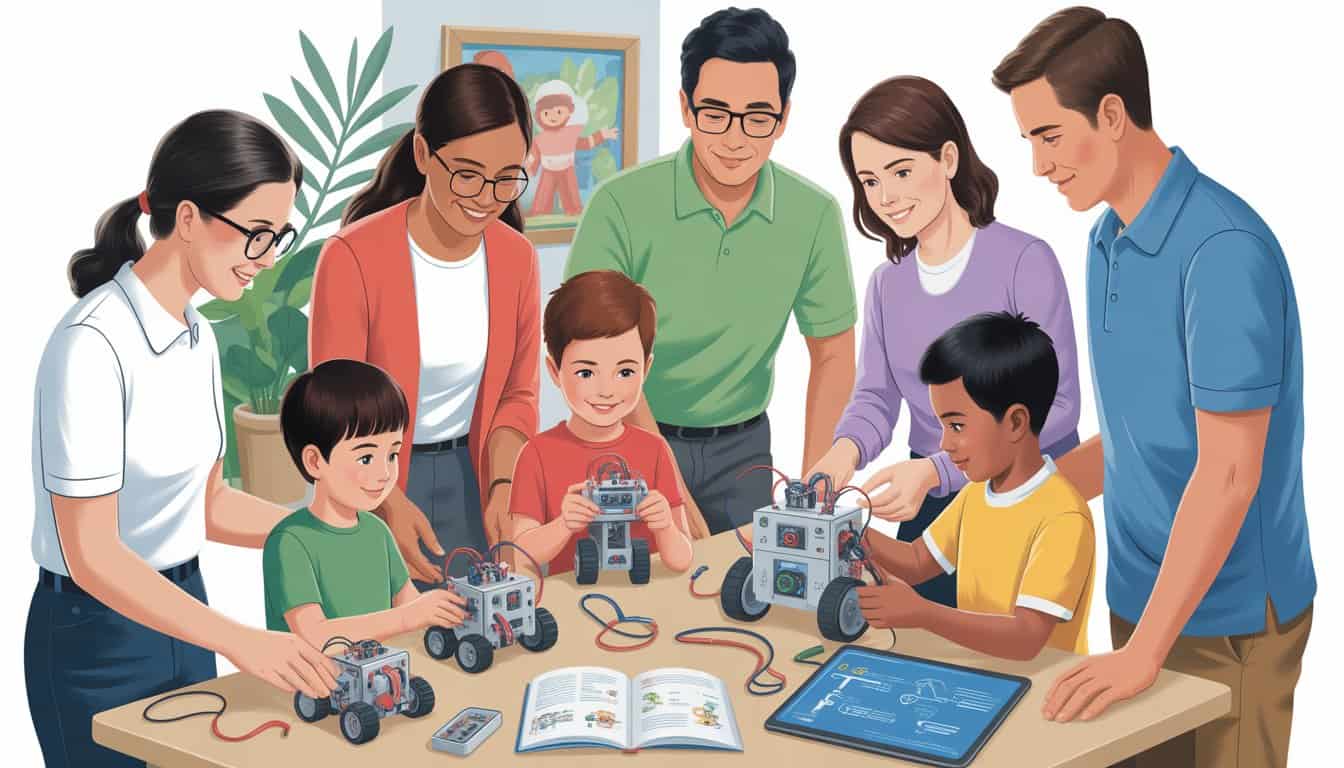
Parents and educators are searching for practical, safe, and time-saving ways to introduce children to robotics without getting overwhelmed by jargon or complex hardware. This complete troubleshooting guide—latest update for 2025—walks through the essentials, turns common beginner problems into clear solutions, and maps out learning paths that work at home, school, or learning centers in Malaysia. For families exploring robotics for kids, this guide focuses on safety, hands-on progress, and a smooth desktop learning experience from day one.
Introduction
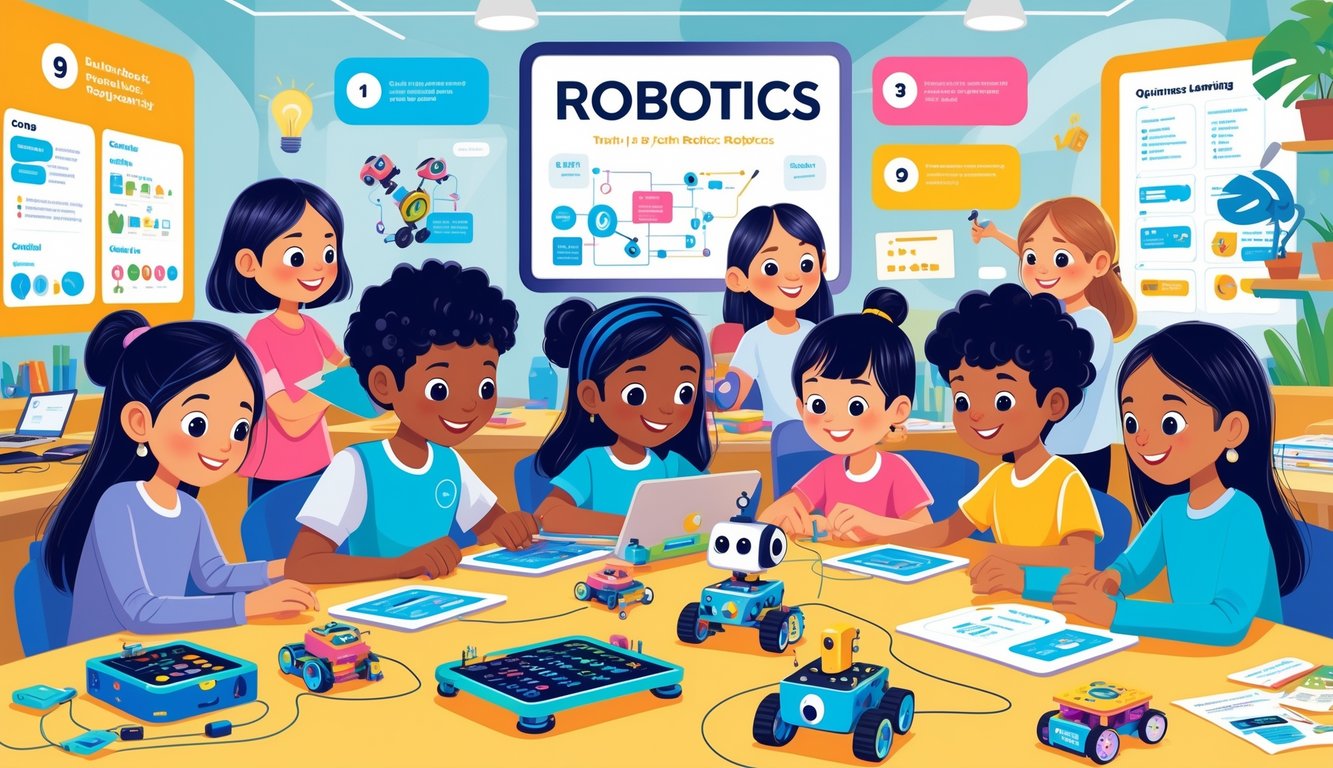
Robotics blends coding, electronics, and creativity into one engaging experience for children. The best outcomes arrive when the journey is structured, safe, and supported with age-appropriate tools that work reliably on a desktop computer. This guide explains what a robot is in approachable terms, shows how Scratch, Raspberry Pi, and Raspberry Pi Pico fit together, and then provides step-by-step coaching to build confidence, troubleshoot issues, and keep learners motivated. It also highlights the benefits of robotics, reviews notable kids’ classes in Malaysia, and outlines featured programs, franchising options, and ways to get in touch.
What’s a Robot Anyway? An Introduction to Basics
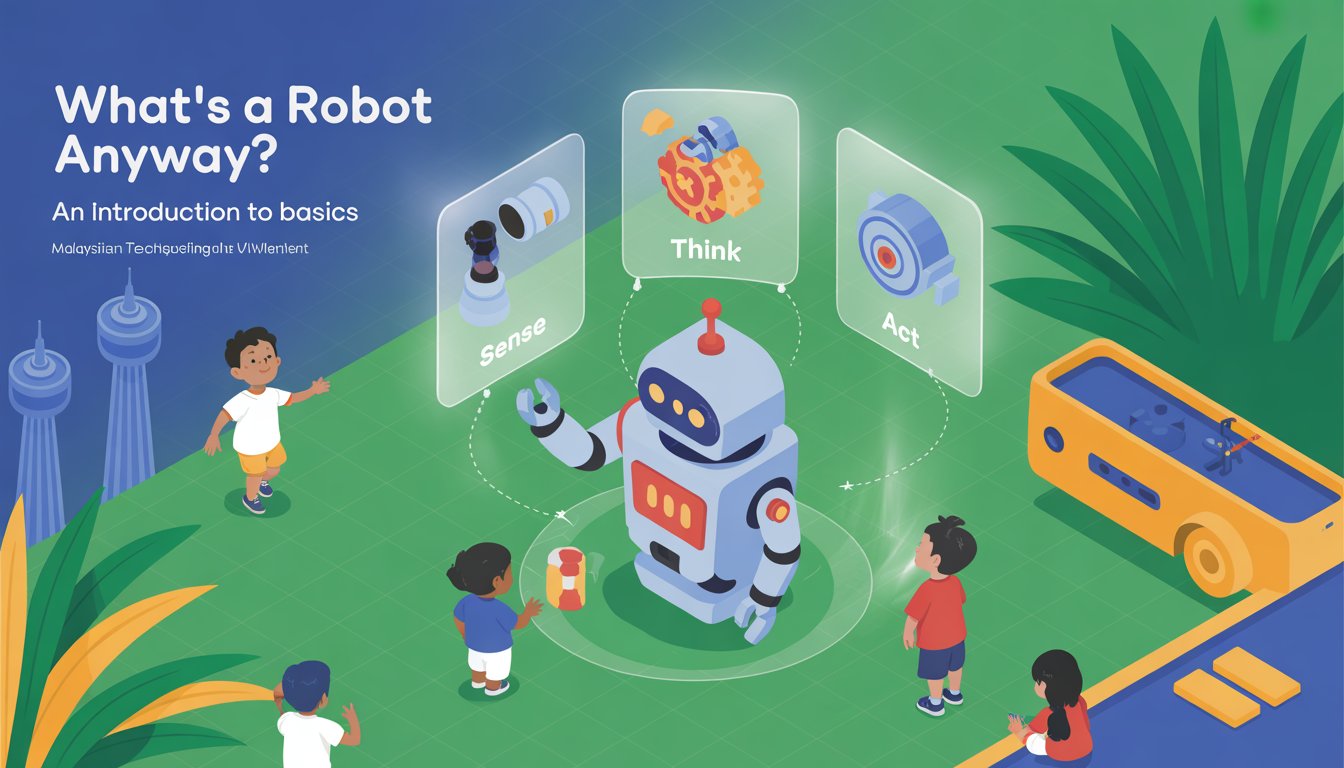
In the world of robotics for kids in Malaysia, understanding the basics is key to building a strong foundation. A robot is essentially a system that senses, thinks, and acts, making it an exciting way to introduce STEM concepts. Sensors capture information from the environment, a controller like a microcomputer or microcontroller decides what to do, and actuators such as motors, LEDs, or servos carry out the actions. For children, robotics often starts with simple cause-and-effect projects, like pressing a button to light an LED, using a distance sensor to stop a motor, or programming a character on-screen before controlling a real device. Safety is paramount in these activities, so always work at low voltages, double-check wiring before powering up, and disconnect power before any rewiring to prevent accidents.
When choosing platforms for beginner robotics, options like Scratch combined with Raspberry Pi are suitable for ages 8 to 12, teaching block-based coding, basic electronics, and logical thinking through desktop software like Scratch 3 with GPIO add-ons. Safety notes include using resistors for LEDs, avoiding 5V on 3.3V pins, and disconnecting power before wiring, with approximate costs ranging from RM250 to RM500 for the board and basic kit. For slightly older kids aged 10 to 14, Raspberry Pi Pico with MicroPython uses the Thonny IDE on desktop, focusing on text-based coding, sensors, actuators, and firmware basics. Key safety practices involve observing polarity, keeping wires tidy, and never powering motors directly from pins, with costs between RM30 and RM150 for the Pico and parts. These platforms provide a balanced entry into physical computing, ensuring kids in Malaysia can explore robotics safely and affordably.
Physical Computing with Scratch and the Raspberry Pi
Scratch turns coding into an intuitive drag-and-drop process, making it perfect for younger learners who are building their understanding of sequencing and logic in robotics for kids. When integrated with a Raspberry Pi and a simple add-on board or breadboard, children can easily control LEDs, read button presses, and respond to sensors with vibrant animations or sounds displayed on a desktop screen. This hands-on approach not only demystifies physical computing but also encourages creativity as kids see immediate results from their code.
Common troubleshooting in these setups often involves verifying the correct GPIO pin numbers, ensuring a solid ground connection, and confirming that protective components like resistors are properly placed to safeguard LEDs from potential damage. Once students witness a code block triggering a real-world action, such as a blink or movement, their enthusiasm and confidence naturally increase, paving the way for more complex projects. To maintain a safe and efficient learning environment, establishing a routine of powering off before wiring, carefully connecting components, powering on, and testing is essential.
If any component begins to heat up during operation, it’s crucial to stop immediately, disconnect the power source, and thoroughly review the schematic for errors, as heat signals a wiring mistake that could lead to damage. This methodical process helps prevent frustration and promotes a positive learning experience in robotics classes across Malaysia. By incorporating these practices, parents and educators can ensure that kids engage with technology in a secure and rewarding manner.
Introduction to Raspberry Pi Pico and MicroPython
The Raspberry Pi Pico serves as an affordable microcontroller board that runs MicroPython, offering a beginner-friendly introduction to text-based programming in the context of robotics for kids. Through the Thonny IDE on a desktop computer, young learners can create short scripts to perform tasks like blinking LEDs, reading data from distance sensors, or operating small servo motors. This setup bridges the gap between simple coding and hardware interaction, making it accessible for children in Malaysia interested in STEM.
Setup challenges commonly arise from not installing the MicroPython firmware correctly, choosing the incorrect COM port, or neglecting to save scripts as main.py for automatic execution on boot, all of which can be resolved with a straightforward checklist. MicroPython fosters essential coding habits such as using variables, loops, functions, and modules, while keeping the hardware straightforward and user-friendly. In terms of safety, the Pico operates at 3.3V logic, so it’s vital to use compatible sensors or level shifters when necessary to avoid compatibility issues.
For powering motors and servos, always employ a separate battery or driver board with a shared ground connection to the Pico, ensuring stable and safe signals. This approach not only prevents damage to the board but also teaches kids the importance of proper power management in robotics projects. By mastering these fundamentals, children build a solid foundation for more advanced explorations in physical computing and robotics education.
How Do Beginners Learn Robotics? Step-by-Step Guidance
Embarking on robotics for kids in Malaysia begins with a structured approach that emphasizes gradual progression and problem-solving skills. Beginners thrive when they advance through small, manageable steps, frequently testing their work and viewing glitches as opportunities for learning rather than obstacles. This method incorporates a troubleshooting rhythm of observing, isolating, testing, and documenting, which maintains momentum and safeguards components. Starting with basic elements like a single LED or sensor, then incorporating additional features incrementally, reduces complexity and allows for quick safety verifications, setting the stage for successful learning experiences.
Building Confidence Through Hands-On Projects
Hands-on projects in robotics for kids are instrumental in fostering confidence, as small, achievable successes demonstrate tangible progress. For instance, a initial LED blink confirms that tools are set up correctly, while subsequent projects might add a button to control the blinking or integrate a distance sensor to modulate a motor’s speed based on proximity. Each step provides clear milestones that highlight advancement and offer chances to reinforce safe wiring practices, such as always disconnecting power before modifications.
Parents and teachers play a key role by emphasizing the process over perfect outcomes, celebrating partial successes like error-free code execution even if the hardware doesn’t respond immediately. Maintaining a project journal helps track these achievements and serves as a valuable reference for future troubleshooting in robotics activities. This supportive framework encourages children to persist and view challenges as part of the learning journey.
Over time, these experiences accumulate, building a robust sense of capability that extends beyond robotics into other areas of STEM education in Malaysia. By focusing on incremental builds, kids learn to appreciate the iterative nature of innovation. Ultimately, this method cultivates not just technical skills but also resilience and enthusiasm for continuous learning.
Encouraging Perseverance in Problem-Solving
Perseverance in robotics for kids develops through consistent application of a structured debugging routine that promotes systematic thinking. Children can be taught to alter one variable at a time, observe the results, and decide whether to retain or revert the change, fostering a disciplined approach to challenges. Implementing timeboxing, such as dedicating ten minutes to a potential solution before seeking assistance, builds self-reliance and prevents overwhelming frustration in learning sessions.
Isolating components during troubleshooting, like testing a sensor by outputting raw values or verifying a motor driver independently before integration, enhances efficiency and safety by confirming each part under controlled conditions. This strategy minimizes risks associated with powering a full system prematurely. As kids practice these techniques, they gain confidence in their ability to resolve issues independently.
In the context of Malaysian robotics classes, incorporating real-world scenarios into problem-solving exercises makes the process engaging and relevant. Over time, this builds a mindset that views setbacks as temporary and solvable. Such perseverance is a valuable life skill that extends far beyond robotics.
Learning to Accept and Use Constructive Criticism
Constructive criticism in robotics education helps children refine their skills by providing specific, supportive feedback that highlights strengths and areas for improvement. For example, commending clear variable naming while suggesting added comments for complex sections offers balanced guidance without discouragement. Teachers can demonstrate revisions, such as simplifying confusing conditionals into clearer steps, showing feedback as a pathway to mastery in coding and circuitry.
In robotics projects, linking criticism to safety aspects, like adding sensor range checks to prevent erratic behavior, makes it practical and easier to embrace. This connection emphasizes how feedback enhances not just functionality but also safe operation. Children learn that accepting input accelerates their progress and improves project outcomes.
Over repeated sessions, this practice normalizes revision as an integral part of the creative process in STEM activities. It cultivates openness to ideas and collaborative improvement. Ultimately, it prepares kids for teamwork in future educational and professional settings.
Improving Engagement with Interactive Challenges
Interactive challenges in robotics for kids boost engagement by transforming learning into playful, goal-oriented activities that encourage iteration and refinement. Short tasks, such as a two-minute line-following race or designing a claw to gently lift a paper cup, prompt children to adjust timing, thresholds, and code structures for optimal performance. Incorporating friendly scoreboards or tracking personal bests motivates repeated practice without undue pressure.
These challenges also underscore the importance of calibration, teaching kids how recalibrating sensors or applying filters like moving averages can stabilize robot behavior and make theoretical concepts practical. This hands-on application deepens understanding and keeps sessions dynamic. In Malaysian learning centers, such activities align well with group settings, fostering excitement and peer interaction.
By integrating fun elements, educators ensure sustained interest over time, turning potential monotony into an adventurous exploration of robotics. This approach not only enhances skills but also builds a positive association with STEM. Long-term, it encourages lifelong curiosity in technology.
Enhancing Programming Skills via Practical Coding
Practical coding in robotics makes abstract programming concepts concrete and memorable for kids, using loops for blinking patterns, conditionals for sensor responses, and functions for organized, reusable code. As projects expand, children encounterarrays, dictionaries, and state machines, all tied to observable behaviors monitored via desktop serial outputs. This real-world connection accelerates comprehension and retention in STEM education.
Addressing common bugs, such as misspelled pin names or inverted thresholds, through checklists—like printing variables, testing boundaries, and reviewing pin maps—resolves issues efficiently while minimizing miswiring risks during iterations. This systematic method saves time and reinforces best practices. In the context of robotics for kids in Malaysia, it builds a foundation for advanced coding.
Over time, these experiences cultivate disciplined programmers who value clean, predictable code. The tangible feedback from robot actions motivates continuous improvement. Ultimately, it equips children with essential skills forfuture technological pursuits.
Fostering Teamwork in Group Activities
Group activities in robotics foster teamwork by assigning roles like wiring lead, coding lead, and tester, ensuring smooth collaboration and safe project management. Rotating these roles allows every child to develop a range of skills, distributing confidence and expertise across the team. This structure promotes respect for diverse contributions and enhances overall group dynamics.
Implementing simple version control, such as saving code versions with descriptive filenames, safeguards against data loss and facilitates easy rollbacks during experiments. Pair programming, where one child codes while another reviews, encourages dialogue and early error detection. In Malaysian robotics classes, these practices build communication and cooperative skills.
Shared successes in team projects create lasting memories and reinforce the value of collaboration. This approach prepares kids for real-world scenarios requiring joint effort. Long-term, it nurtures well-rounded individuals adept at working in teams.
Benefits of Robotics and Coding for Kids
Robotics and coding offer multifaceted benefits for children in Malaysia, combining hands-on building with critical problem-solving to develop both technical prowess and essential life skills. Kids learn to reason logically, test hypotheses methodically, and articulate their ideas during presentations and reviews. These practices build confidence, resilience, and a curiosity that extends to various academic disciplines, making robotics an ideal gateway to STEM education.
Building Confidence Through Hands-On Projects
Confidence in robotics for kids blossoms as they transform ideas into functional creations, such as coding a few lines to illuminate an LED or wiring a circuit to detect sensors. These accomplishments provide a sense of achievement that encourages further exploration in STEM fields. Over time, this self-assurance influences other areas of learning and personal development.
A small robot navigating a track demonstrates the power of persistence and careful planning, reinforcing a child’s belief in their capabilities. Parents often notice increased initiative in tackling new challenges. In Malaysian contexts, such projects align with educational goals to foster innovative thinkers.
Ultimately, these experiences create a positive feedback loop of success and motivation. They teach that effort leads to real-world results. This foundation supports lifelong learning and adaptability.
Encouraging Perseverance in Problem-Solving
Perseverance is honed in robotics as not every attempt succeeds, teaching kids to iterate through testing, adjusting, and retrying with multiple solutions to a single problem. This process builds calm under pressure and the virtue of patience. In educational settings, it prepares children for complex challenges ahead.
Each setback overcome strengthens resilience, turning potential frustration into valuable lessons. Teachers can guide this by highlighting alternative approaches. For kids in Malaysia, this skill is crucial in competitive academic environments.
Long-term, such habits contribute to a growth mindset essential for success. They encourage viewing failures as stepping stones. This approach benefits all areas oflife.
Learning to Accept and Use Constructive Criticism
Accepting constructive criticism in robotics normalizes revision as a standard step, showing kids that refining code or circuits is key to improvement. They learn to see feedback as an accelerant to progress rather than judgment. This perspective enhances learning efficiency.
Specific critiques, like suggesting better organization, help children implement changes effectively. Over time, they become proactive in seeking input. In group settings, this fosters collaborative environments.
Ultimately, it builds emotional intelligence alongside technical skills. Kids grow more receptive and adaptive. This is invaluable for future careers.
Improving Engagement with Interactive Challenges
Interactive challenges enhance engagement by infusing purpose and fun into robotics projects, with scoring and competitions making practice enjoyable. They sustain attention and promote deeper dives into concepts. For Malaysian kids, this keeps learning vibrant.
Timed events encourage efficient problem-solving and creativity. Children iterate quickly, learning from each attempt. This method maintains motivation over extended periods.
Overall, it transforms education into an adventure. Engagement leads to better retention. It cultivates enthusiastic learners.
Enhancing Programming Skills via Practical Coding
Practical coding in robotics anchors concepts like loops and conditionals to visible outcomes, accelerating mastery and encouraging best practices for predictable behavior. Children adopt clear naming and modular designs naturally. This grounds abstract ideas in reality.
Success reinforces the importance of clean code, making lessons stick. As projects complexity increases, skills deepen. In STEM programs, this is foundational.
It prepares kids for advanced computing. Practical application builds competence. Long-term, it sparks interest in technology careers.
Fostering Teamwork in Group Activities
Team activities in robotics develop communication and planning by valuing diverse strengths in collaborative builds. Kids practice explaining and listening, essential for school and beyond. Shared achievements make learning memorable.
Roles ensure inclusive participation and skill development. Conflicts become opportunities for growth. In Malaysia, this aligns with community-oriented education.
It cultivates well-rounded individuals. Teamwork skills are lifelong assets. This approach enhances social and technical growth.
Preparing for the Future with Essential STEM Skills
Robotics integrates physics, math, computer science, and design, providing a comprehensive STEM base through safe wiring, clear coding, and systematic testing. This prepares children for advanced studies and careers. It instills a welcoming attitude toward new technologies.
Skills gained are transferable across disciplines. Kids develop analytical thinking and innovation. In a tech-driven world, this is crucial.
Ultimately, it empowers future innovators. Confidence in STEM opens doors. This foundation supports ongoing success.
Best Robotics Classes for Kids in Malaysia
Malaysia boasts a vibrant array of robotics classes for kids, ranging from introductory workshops to comprehensive curricula that prioritize safety, defined outcomes, qualified teaching, and robust desktop tool integration like Scratch and Thonny. When selecting a program, families should inquire about included materials, trial options, and cost variations across locations to find the best fit. These classes not only teach technical skills but also emphasize hands-on learning in a supportive environment, making them ideal for nurturing young innovators in robotics for kids.
Dream World Robotics
Dream World Robotics specializes in hands-on sessions that acquaint children with sensors, motors, and block-based programming, ensuring a gentle introduction to robotics basics. The programs stress safe wiring and methodical build instructions to minimize frustration and maximize understanding. Parents often praise the progressive structure that allows kids to master fundamentals before advancing, fostering steady growth in skills.
Instructors provide personalized guidance, helping students troubleshoot common issues effectively. This approach builds confidence and encourages creativity within a safe framework. Many families in Malaysia choose this for its balance of fun and education.
Overall, it’s a solid choice for beginners seeking structured yet engaging robotics experiences. The focus on safety enhances parental peace of mind. Long-term participation leads to significant skill development.
JRT Robotics Learning Centre
JRT Robotics Learning Centre offers structured paths blending coding essentials with practical electronics, complete with guided troubleshooting and regular demonstrations to maintain an even learning pace. Projects are crafted to instill crucial safety protocols from the start. This methodical approach ensures children grasp concepts thoroughly.
The centre’s curriculum adapts to different skill levels, providing a supportive environment for growth. Families appreciate the emphasis on real-world applications. It’s popular among Malaysian parents for its reliability.
Enrolling here can spark a lasting interest in STEM. The combination of theory and practice is effective. It prepares kids for more advanced challenges.
Roboticist
Roboticist combines coding with mechanical design, enabling students to see how software influences physical results, which sharpens analytical skills and detail orientation. Classes include calibration exercises to teach sensor precision and consistency. This hands-on method deepens understanding of robotics principles.
Instructors encourage experimentation within safe boundaries, fostering innovation. The program is well-regarded in Malaysia for its comprehensive coverage. Kids emerge with stronger problem-solving abilities.
It’s an excellent option for those interested in the intersection of tech and design. The focus on accuracy builds discipline. Participants often pursue further STEM activities.
Creative Robotics Kepong
Creative Robotics Kepong is renowned for stimulating builds that blend creativity with technical foundations, guided by instructors who present logical thinking through manageable challenges. The atmosphere rewards effort and inquisitiveness, making learning enjoyable. Families report high satisfaction with the encouraging vibe.
Programs incorporate diverse projects to keep interest peaked. Safety is integrated seamlessly into activities. It’s a favorite in Kepong for its innovative approach.
This centre helps children develop both creative and analytical sides. Long-term benefits include enhanced confidence. It’s ideal for nurturing young talents in robotics.
Kokoblock Lego Course and Robotics Classes
Kokoblock uses LEGO kits to make robotics intuitive and visually appealing, introducing safe construction methods and scalable programming. The curriculum supports quick achievements that motivate ongoing progress. This makes it accessible for younger learners in Malaysia.
Instructors focus on building foundational skills progressively. The integration of play and learning is effective. Parents value the engaging format.
It lays a strong base for future STEM pursuits. The hands-on nature boosts retention. Enrollees often show increased enthusiasm for technology.
Creative Tech Camp
Creative Tech Camp covers various STEM areas with robotics as a core component, featuring project-driven learning ending in demos or contests that promote teamwork under time limits. The camp style energizes participants. It’s great for experiential learning in Malaysia.
Activities are designed to be interactive and fun. Safety and collaboration are emphasized. Families choose it for summer or holiday programs.
It provides a broad introduction to tech fields. Skills gained are practical and transferable. The format encourages social development too.
Code Juniors
Code Juniors prioritizes coding basics and logic essential for robotics, mixing screen-based tasks with physical implementations to sustain engagement. The paced structure with checkpoints helps track advancement. This supports steady skill building in kids.
The program is adaptable to different ages. Instructors offer encouraging feedback. It’s popular for its focus on computational thinking.
Participants develop strong programming foundations. This prepares them for advanced robotics. It’s a smart choice for budding coders in Malaysia.
Engineering for Kids Malaysia
Engineering for Kids Malaysia merges engineering concepts with accessible robotics projects, teaching measurement, testing, and iteration to cultivate a scientific outlook. Safety and proper tool handling are core to the lessons. This holistic approach benefits young learners.
Curriculum is hands-on and educational. Families appreciate the emphasis on real engineering practices. It’s widespread across Malaysia.
It instills valuable STEM habits early. Kids gain confidence in problem-solving. Long-term, it opens doors to engineering interests.
Bricks & Gears Kids Programme Centre
Bricks & Gears utilizes building kits to explore mechanics, showing how gearing impacts movement and helping translate concepts into sturdy structures. Guided sessions reduce uncertainty in trial-and-error. This makes learning smooth and enjoyable.
Programs encourage creative exploration safely. Instructors provide clear directions. It’s favored for its tactile learning style.
It builds mechanical intuition. Skills are foundational for robotics. Enrollees often advance to more complex projects.
KidoCode
KidoCode delivers broad STEM content including robotics with block and text programming, using step-by-step methods to break down complex ideas. The focus on computational thinking and problem breakdown is highly valued. Families in Malaysia seek it for comprehensive education.
Courses are structured yet flexible. Support is ample for learners. It promotes logical reasoning effectively.
This prepares kids for tech-savvy futures. The curriculum evolves with trends. It’s an investment in cognitive development.
Creative Robotics
Creative Robotics emphasizes design thinking with coding and circuits, where kids craft purposeful projects that address challenges or narratives, adding meaning to builds. The environment aids concentration during troubleshooting. This creative-tech blend is appealing.
Instructors foster innovation safely. Programs are engaging and rigorous. It’s a top choice for artistic learners.
It enhances both creativity and technical skills. Participants gain versatile abilities. Long-term engagement yields impressive growth.
CIY.Club Malaysia
CIY.Club Malaysia provides organized courses promoting coding proficiency and meticulous circuit work, with projects featuring safety checkpoints and defined goals. The mix of creativity and structure supports consistent advancement. Families appreciate the balanced methodology.
Curriculum is goal-oriented and supportive. Instructors ensure understanding. It’s effective for skill progression in Malaysia.
This club builds confident tech enthusiasts. Lessons are practical and inspiring. It contributes to STEM literacy.
RoboThink Bandar Utama
RoboThink Bandar Utama employs project-based learning with incremental skill development, stressing testing and documentation. The program promotes safe component handling and teamwork. Parents highlight the quality instruction.
Classes are progressive and engaging. Focus on collaboration is strong. It’s located conveniently for locals.
It develops well-rounded robotics knowledge. Kids learn responsibility and cooperation. This prepares them for group endeavors.
ComputerTots
ComputerTots introduces tech fundamentals including early robotics to young children, with activities designed to hold attention and spark curiosity. The emphasis on safe discovery and positivity is key. This makes it suitable for beginners.
Programs are age-appropriate and fun. Instructors use encouragement effectively. It’s a gentle entry to STEM in Malaysia.
It lays groundwork for future learning. Early exposure builds interest. Families value the nurturing approach.
Featured Programmes: Why Choose RoboThink
RoboThink stands out in Malaysia’s robotics for kids landscape with programs that deliver engaging, safety-oriented robotics and coding education using reliable desktop tools. From basic constructions to intricate mechanisms, the structured progression builds technical soundness and self-assurance. This makes it a preferred choice for families seeking quality STEM experiences.
Why Parents Love RoboThink for Engaging STEM Education
Parents are drawn to RoboThink’s transparent learning paths that outline skill acquisition at every level, facilitating easy tracking of progress. Classes prioritize safe practices and step-by-step testing to curb errors, while promoting creativity and teamwork through build-test-present cycles. This comprehensive method ensures memorable and visible learning outcomes for children.
The integration of fun elements keeps kids motivated. Instructors are skilled and approachable. Many Malaysian families recommend it for its impact.
It fosters a love for STEM. The environment is inclusive and stimulating. Long-term, it equips kids with essential skills.
Enrol Today and Experience the RoboThink Difference
Enrollment at RoboThink includes kits, expert guidance, and evaluations in a welcoming atmosphere that embraces questions and trials. Families can sample the program’s rhythm, tools, and safety measures via trial classes. This hands-on preview helps confirm it’s the right fit for aspiring young roboticists.
The curriculum is adaptable and progressive. Support extends beyond classes. It’s designed for success in Malaysia.
Joining opens doors to innovation. The difference is in the engagement. It inspires future leaders in tech.
Franchising Opportunities
Franchising in robotics education offers educators and business-minded individuals a way to expand STEM access in Malaysian communities, backed by comprehensive support in training, resources, curriculum, and safety standards. This model enables focus on local engagement and high-quality teaching. It’s an avenue for those passionate about inspiring the next generation through robotics for kids.
Discover How to Bring RoboThink to Your Community as a Franchise Owner – Contact Us for More Information
Aspiring franchisees receive assistance in setup, hiring, and launch to ensure seamless operations, with continuous updates keeping programs current and effective. This support maintains alignment with industry standards and innovative tools. Franchising with RoboThink allows meaningful contributions to local STEM education while building a sustainable business.
The process is guided and efficient. Opportunities exist across Malaysia. It’s rewarding for community-oriented entrepreneurs.
This path amplifies educational impact. Contact initiates the journey. It promises growth and fulfillment.
Contact Us
Reaching out for robotics program details is simple, whether starting a child’s first class or designing a customized learning track, with information on timings, suitable ages, and required kits readily available. This facilitates informed decisions for families and institutions. Inquiries can lead to tailored workshops or camp arrangements suited to specific needs.
Get in Touch for Enrollment, Questions, or Partnerships
Contact us to explore class options, arrange trials, or discuss school packages, providing details like age, experience, and interests for personalized recommendations. Organizations can propose collaborations for events or extracurriculars. This opens avenues for enriching STEM opportunities in Malaysia.
Responses are prompt and helpful. The team is knowledgeable. It’s the first step to engagement.
Partnerships enhance community ties. Enrollment is straightforward. We look forward to connecting.
About Us
Our dedication to robotics education centers on safe, clear, and delightful learning experiences that merge practical building with progressive coding. This methodology ensures reliable and motivating journeys for young learners. We aim to cultivate confidence and readiness for STEM explorations.
Our Mission to Inspire the Next Generation of Innovators
Our mission focuses on empowering children as technology creators through accessible tools and thoughtful mentorship, enabling them to conceptualize, experiment, and refine ideas. This nurtures curiosity and careful problem-solving. We strive to equip them for innovative pursuits with enthusiasm.
The approach is inclusive and effective. Impact is seen in inspired learners. It’s core to our philosophy.
This inspiration drives progress. Generations benefit. We commit to excellence.
Our Partners
Partnerships are vital for keeping robotics programs up-to-date, secure, and pertinent, collaborating with educators and STEM experts to uphold standards in materials and assessments. This network supports expansion while ensuring consistency. It enriches the educational offerings for kids in Malaysia.
Collaborating with Leading STEM Education Providers
Collaborations involve joint curriculum creation, training, and sourcing reliable components, facilitating updates and new content that adhere to best practices. Students gain from evolving, safe learning paths. This synergy elevates the quality of robotics education.
Benefits are widespread and sustained. Providers bring expertise. It’s a foundation for innovation.
These alliances strengthen Impact. Future-focused and collaborative. They ensure excellence.
FAQs
Addressing common questions in robotics for kids helps overcome initial barriers, emphasizing safe practices, dependable desktop software, and efficient troubleshooting strategies for parents and young learners in Malaysia.
What is the safest way for kids to start with electronics?
Begin with low-voltage projects (3.3V–5V) and simple components like LEDs and buttons. Always disconnect power before changing wires, use resistors to protect LEDs, and follow a printed wiring diagram. A supervised desktop setup with a breadboard, clear labels, and short test sessions keeps risk low and learning high. This approach minimizes accidents and builds good habits early in robotics exploration.
Scratch or MicroPython—how should we choose?
Scratch is ideal for ages 8–12 because block coding reduces syntax friction and shows logic visually. MicroPython suits ages 10–14 who are ready for text-based code and finer control over hardware. Many families start with Scratch to learn sequencing and then move to MicroPython for deeper, device-level projects. Considering the child’s age and comfort with typing can guide the best starting point.
Why won’t my LED blink on the Raspberry Pi Pico?
Common causes include the wrong pin number, a missing ground connection, or forgetting to set the pin as an output in code. Verify the MicroPython firmware is installed, check the COM port in Thonny, and test a minimal script that only toggles the LED. If the LED gets hot or smells, disconnect power immediately and recheck polarity and resistor placement. Consulting online forums or tutorials can provide additional troubleshooting tips.
How much should we budget to get started?
For a basic Raspberry Pi Pico kit with a breadboard, jumper wires, LEDs, resistors, and a small sensor, expect RM30–RM150 depending on quality and bundle size. A Raspberry Pi-based setup may range from RM250–RM500 for the board and essentials. Ask programs whether kits are loaned, included, or purchased separately to avoid surprises. Shopping from reputable suppliers ensures value and safety.
How can we keep kids engaged over months, not days?
Use short, themed challenges with clear goals, like a two-minute race or a gentle-claw lift. Keep projects progressive, adding one new concept at a time, and celebrate each small milestone. Regular demos for family or peers reinforce pride and encourage thoughtful iterations. Incorporating variety and real-world applications maintains long-term interest in robotics.
About the Author